







Cross-border healthcare market entry, packaged

US to EU, EU to US, and intra-EU expansion for payers, hospitals, medical-device makers, healthcare enterprises, ISVs, and founders. Compliance, integration, and a named in-country pilot in one engagement.

Outcomes

Market entries that launched and kept selling

Outcomes from the cross-border entries we have delivered for carriers, hospitals, healthcare enterprises, ISVs, and medical-device makers.

90 days

From kickoff to a live in-country pilot with a named partner.

2 regions

US, EU, and intra-EU expansions delivered end to end.

100%

HIPAA, GDPR, MDR, and SOC 2 Type II conformance on every entry we have shipped.

technologies

Built with the right tech stack for Healthcare

React
Angular
Vue.js
Ruby on Rails
Python
React Native
Flutter
iOS
Android
React
Angular
Vue.js
Ruby on Rails
Python
React Native
Flutter
iOS
Android
React
Angular
Vue.js
Ruby on Rails
Python
React Native
Flutter
iOS
Android

Ready to build your product with confidence?

Talk to a product strategist. No pressure. Just clarity.

FAQ’s

Frequently Asked Questions

We’ve answered the questions we hear most from healthcare teams, founders, and partners. Don’t see yours? Reach out: we’re here to help.

What does a US entry actually require for an EU healthtech?

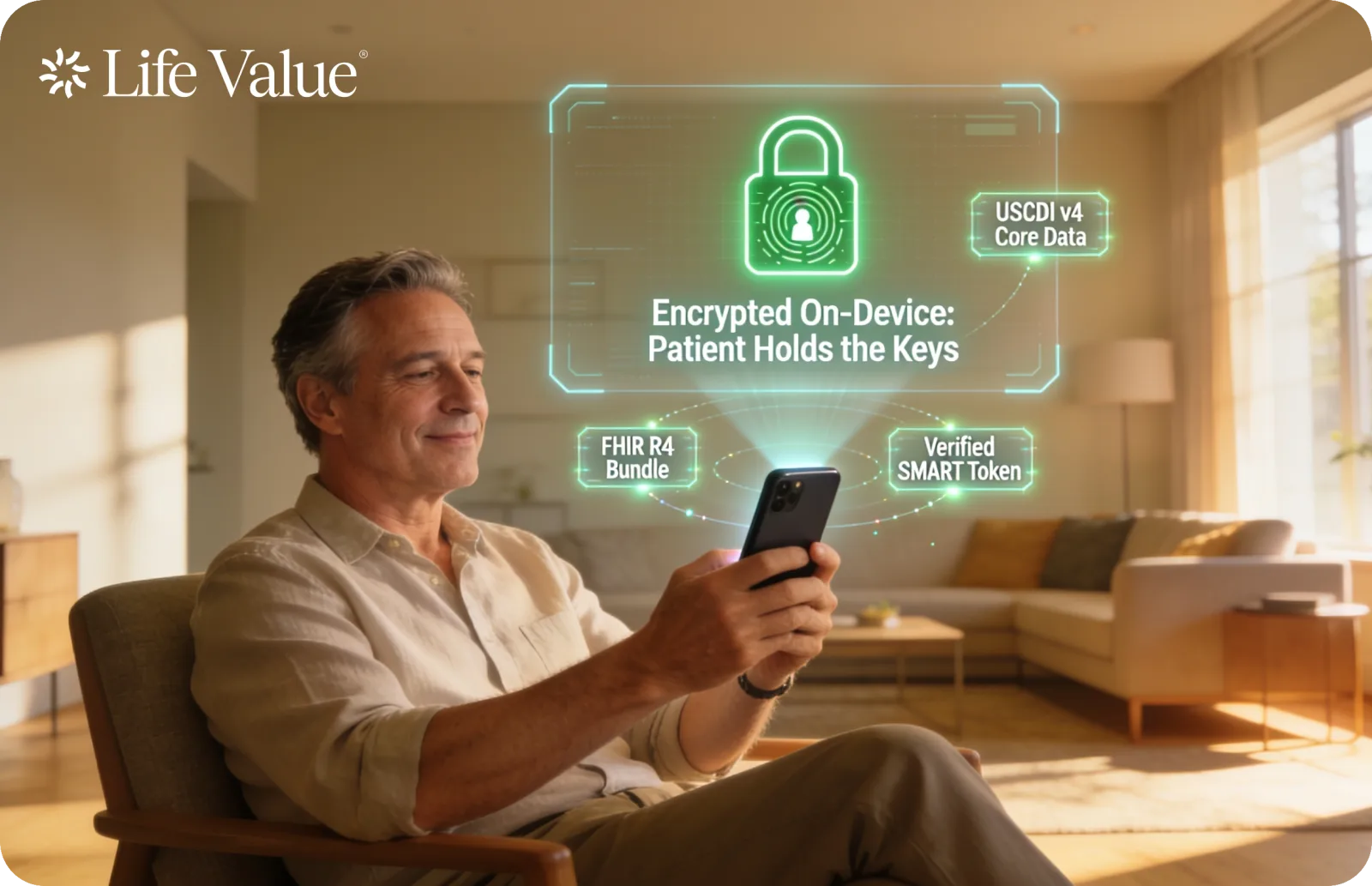
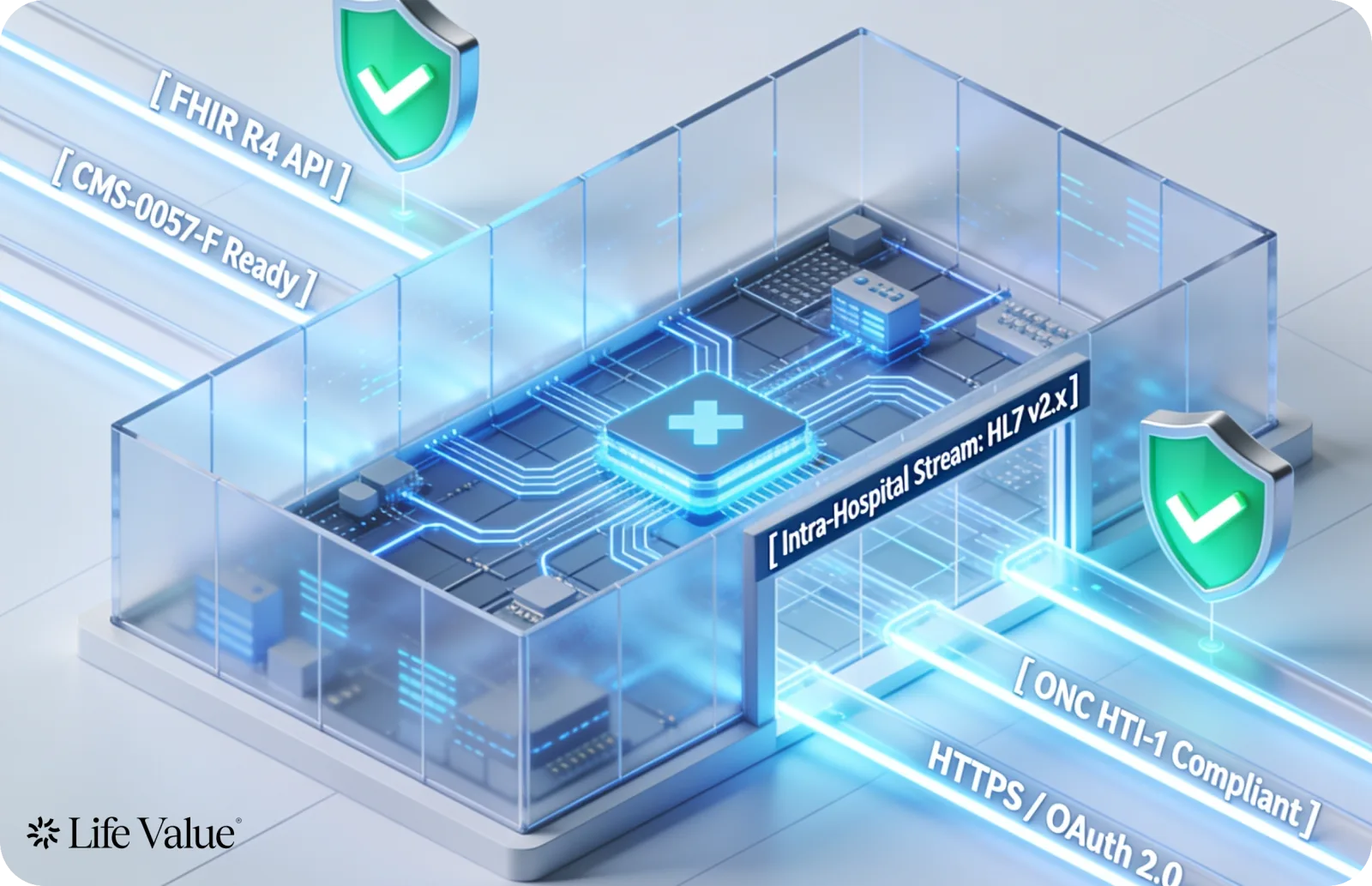
Five things in place before the first sales call. A HIPAA Business Associate Agreement covering hosting and every subprocessor. A SOC 2 Type II report your buyer's procurement team can map to. State medical-records law conformity for California CMIA, New York SHIELD, and Texas HB 300 at minimum. Cures Act information-blocking conformity if you touch provider data. Payer-side CMS-0057-F readiness if you sell to carriers. The product is the easy part. This list is the difference between a six-month pilot and a six-month redline cycle.

What does an EU entry require for a US healthtech?

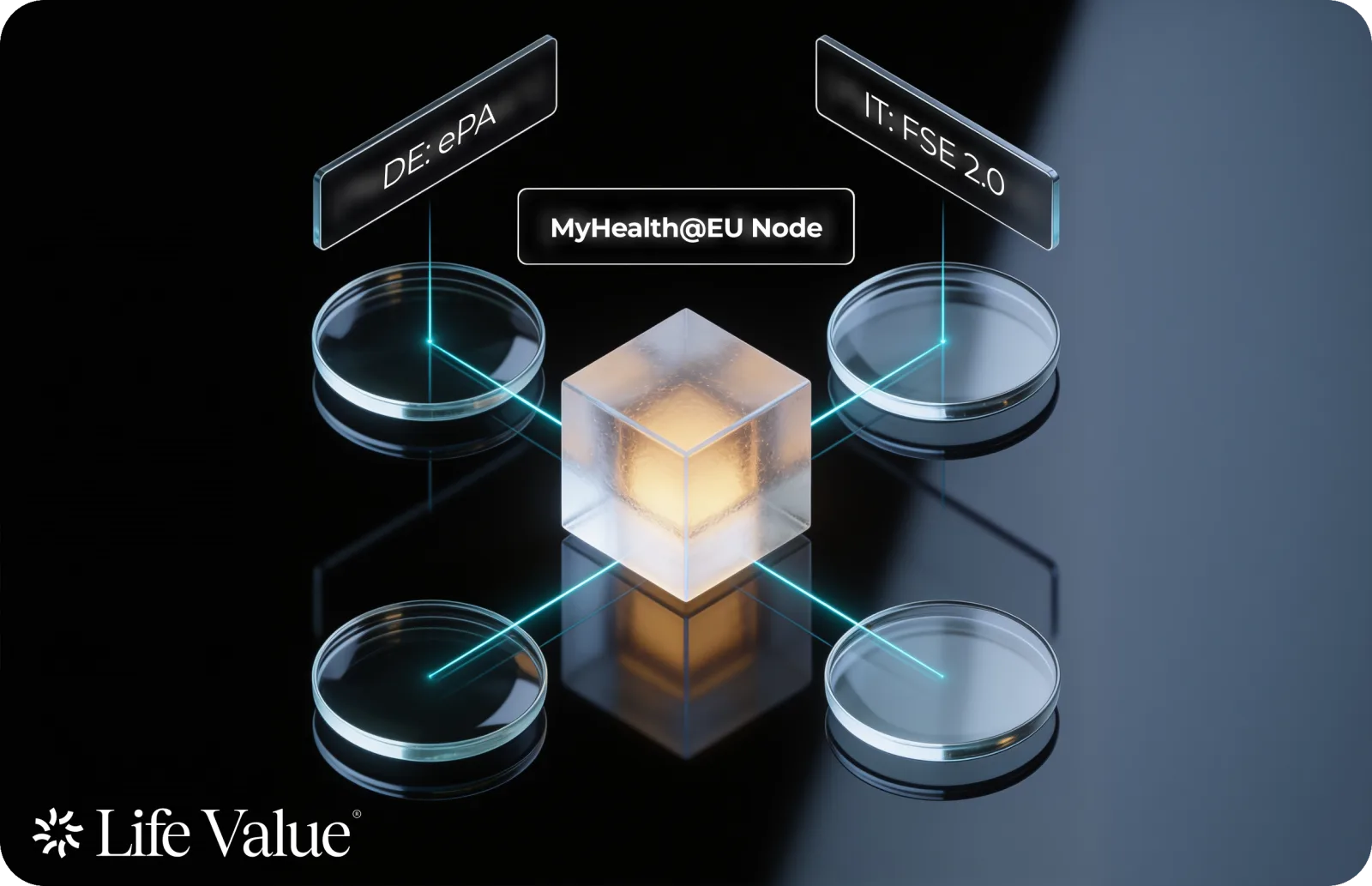
GDPR Article 9 special-category data handling with a written DPIA. MDR class assessment if you ship a medical device or SaMD. EHDS readiness for cross-border health data exchange. Then the national layer. Germany asks for §75c SGB V and C5. France requires HDS hosting. Italy answers to Garante. Spain answers to AEPD. Country-specific data residency is non-negotiable in most procurement cycles. We carry this list into the build so it is not a launch gate.

How do you handle EHR and clinical-network integration in a new market?

Through the partner layer the local buyer already trusts. In the US that means Redox or Particle Health for EHR integration, Health Gorilla for clinical data networks, and FastenHealth for TEFCA-certified patient-mediated exchange. In the EU it means country-specific HIN partners and SMART on FHIR launches inside Epic, Oracle Cerner, MEDITECH, and the major national EHRs. We sit in the orchestration gap so the carrier, hospital, or ISV does not have to wire Redox to Particle to Health Gorilla to a national HIN themselves.

What does the 90-day in-country pilot actually include?

A named local partner. A hospital, payer, clinic, or ISV in the target country signs the pilot agreement before week one. Local-language clinical user research with the people who will actually use the product. Local privacy regulator notification handled by our team, whether that is the Garante in Italy, the AEPD in Spain, or HHS in the US. Local hosting set up in the right jurisdiction with the right subprocessor chain. At day 90 the buyer has audit-ready evidence the product runs in their country, not a deck claiming it could.

Can’t find the answer you’re looking for? 
We are here to help.

Ready to accelerate your next digital health breakthrough?

Whether you're launching a new solution or scaling an existing product, Life Value gives you the clarity, speed, and compliance needed to move with confidence.