Marketplaces & Platforms
Redefining Luxury Airport Transfers
A premium booking platform for Ex-Transfer.com that handles reservations, chauffeur dispatch, and online payments for luxury airport transfers across Europe.


A computer vision system that sorts screws, nuts, and washers automatically, hitting 98% accuracy on low-cost Raspberry Pi hardware.


Sorting small hardware parts by hand is slow and easy to get wrong. When screws, nuts, and washers vary in size, shape, and material, an operator has to make hundreds of fast judgement calls an hour, and every misclassification feeds rework, quality issues, and higher labour cost downstream. Keeping that accuracy steady across a full shift, and under changing factory lighting, is the part manual sorting struggles with most.

Life Value built an automated vision system that classifies each part as it passes the camera and routes it without an operator in the loop. The stack was chosen to stay accurate while running on inexpensive, low-power hardware:

The system replaced manual classification with a consistent, repeatable process and held its accuracy across changing conditions on the line.
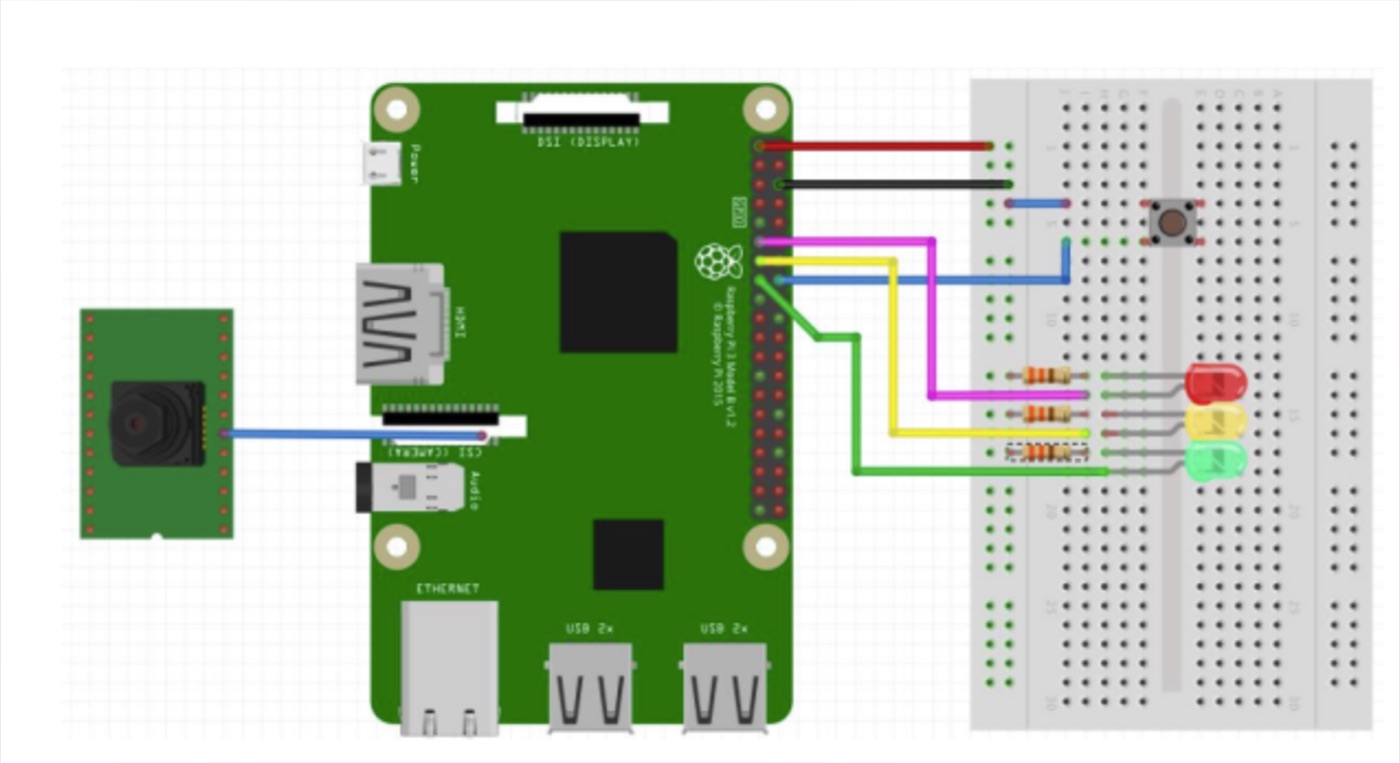
A camera trigger captures each part and passes the image to the processing module, where OpenCV prepares it and the TensorFlow model returns a classification. The Raspberry Pi then drives the matching indicator and routing for screws, nuts, or washers. Because the model and logic run on the board itself, the whole loop stays local and fast, and careful calibration keeps image capture steady even when factory lighting shifts.

What parts can the system sort?
It was built to classify small hardware components, screws, nuts, and washers, and the model can be retrained to recognise additional part types.
How accurate is it?
The vision model reaches 98% accuracy on the trained part types, which removed most of the misclassification that manual sorting produced.
Does it need expensive hardware or a cloud connection?
No. Inference runs on a single Raspberry Pi at the edge, so the system works in real time without sending data to the cloud.
Can it cope with changing factory lighting?
Yes. The capture and pre-processing steps were calibrated to keep detection stable under varying lighting on the line.
The AI Dynamic Sorting System shows how machine learning and real-time image processing can replace a manual, error-prone task with a dependable automated one, all on affordable edge hardware. It cuts errors, improves throughput, and adapts as new parts are added. The project reflects how Life Value builds practical, scalable AI that delivers measurable value for engineering and manufacturing teams.




See how forward-thinking hospitals, clinics, and startups are solving critical challenges with LifeValue — from speeding up delivery to enhancing compliance and unlocking new opportunities across care and operations.