Marketplaces & Platforms
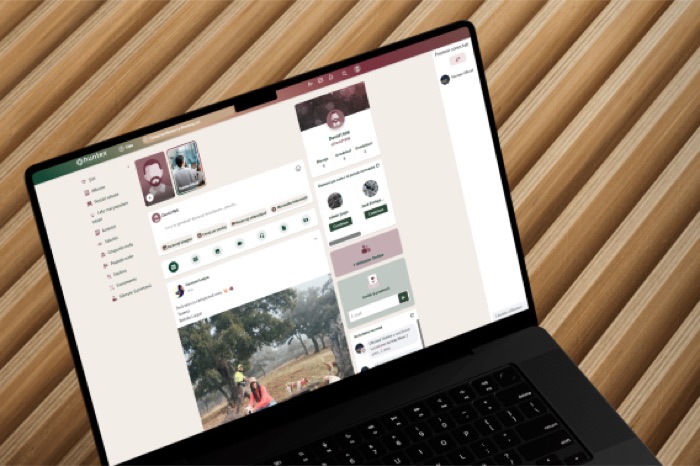
Building Spain's Leading Hunter Online Community
Life Value built Huntex, the social platform where Spanish hunters stream, chat, video call, and shop trusted hunting stores in one place.


One platform for landlords and tenants: listings, rent, maintenance, building amenities, and smart lock access across web and mobile.


The client saw a clear gap in property management software. The tools on the market were fragmented and dated, and none of them gave landlords and tenants a single place to handle the work of renting and living in a building.
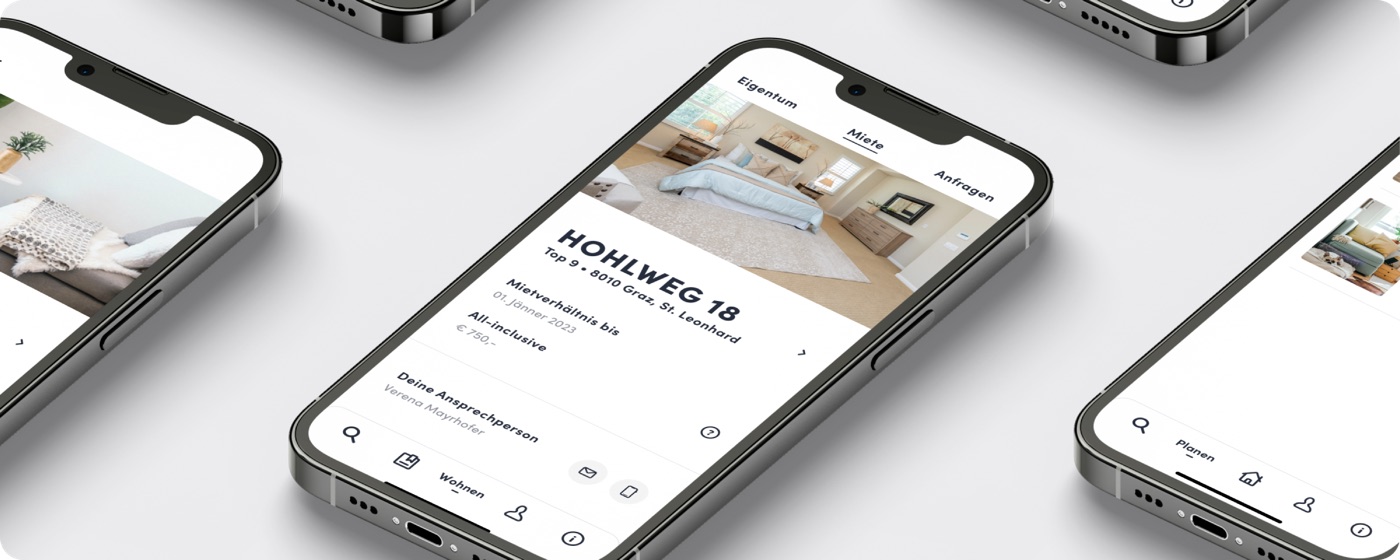
The pain points were specific:
The goal was a single product that both sides would actually want to open every day.
Life Value designed and built a cloud platform that brings apartment management into one place. It pairs a clean interface with a backend built to grow, so landlords and tenants get the same quality of experience whether they are on the web or on their phone.
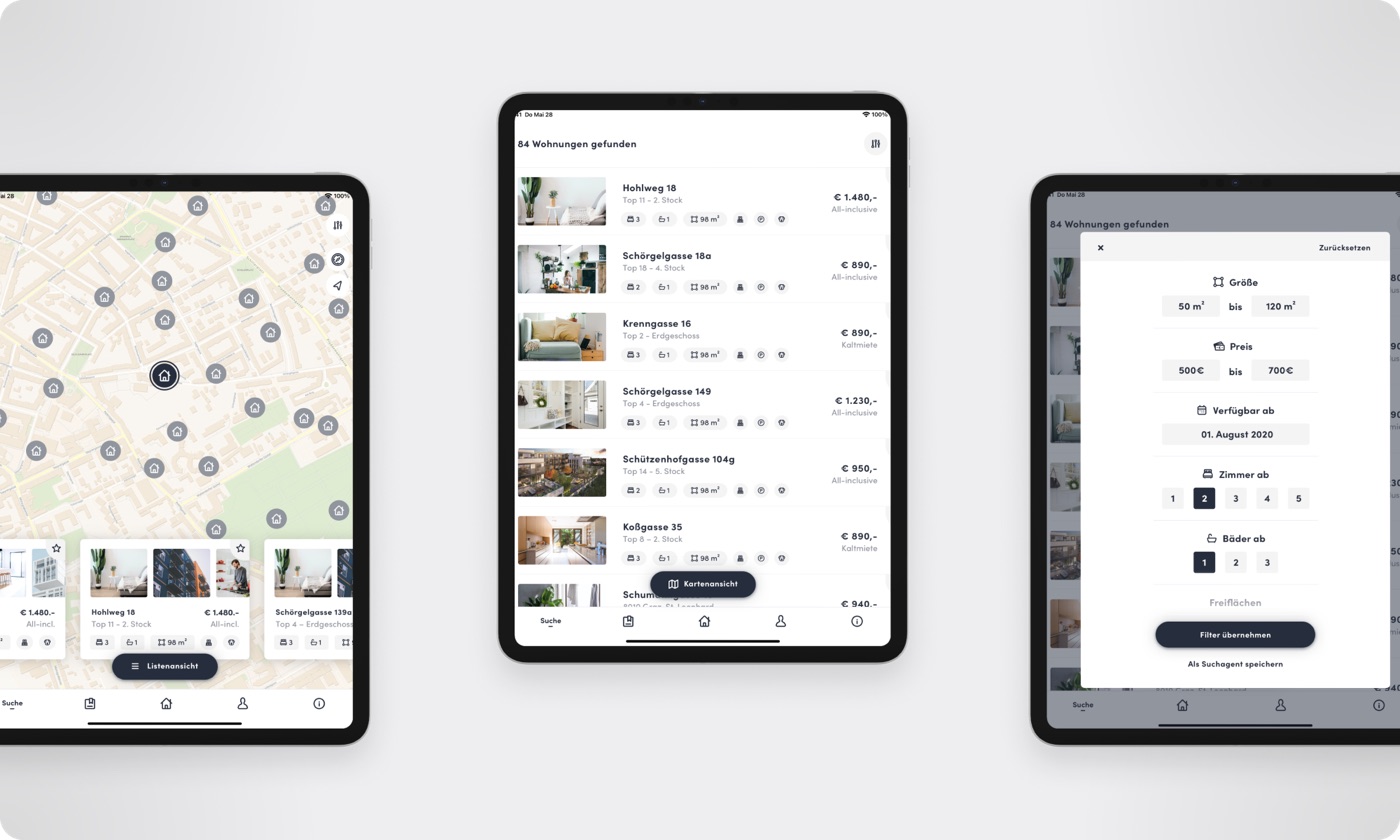
What we built:
The stack was chosen for scale, security, and a consistent feel across every device.

Bringing every task into one product changed how landlords and tenants work together day to day.
Is the platform web only, or is there a mobile app?
Both. There is a responsive web app for landlords and tenants, plus native iOS and Android apps that add device features such as smart lock control.
How does smart lock access work?
Tenants open their door and grant temporary access from the mobile app. The access service runs separately from the rest of the system so it stays reliable.
Can it grow with a larger property portfolio?
Yes. The microservice design lets listings, payments, and access scale on their own as the number of buildings and tenants grows.
How are payments handled?
Rent collection is built into the landlord dashboard and the tenant portal, so payment records stay tied to each unit and request.
Life Value delivered a property management platform that closes the gap between landlords and tenants. By putting listings, payments, maintenance, and smart access in one secure product, the platform made day-to-day operations simpler and gave residents a better place to live. It is a model the team continues to apply to digital property management across Europe.
















See how forward-thinking hospitals, clinics, and startups are solving critical challenges with LifeValue — from speeding up delivery to enhancing compliance and unlocking new opportunities across care and operations.